Fit Radio: Train Inspired
- 4.7
- Rating
- 1.00M
- Installs
- Free
- Price

 Analysis by App-foxy
I judge workout music by what happens when I am already moving: whether I can start quickly, keep a steady rhythm, and avoid spending more time choosing tracks than exercising. Fit Radio: Train Inspired approaches that problem as a music and audio app built around energetic workout listening. It is free to download, carries a Teen content rating, and comes from Social Study Media LLC. After using it, I see its main appeal clearly: it is less about building a perfect personal library and more about giving a training session a ready-made musical push.
The app has been around since June 3, 2011, and its scale is easy to notice from its community presence. It has passed one million installs, with a 4.7 average from around thirteen thousand ratings and roughly three thousand seven hundred written reviews. Those figures do not guarantee that every listener will enjoy its style, but they suggest that the basic idea has connected with a substantial audience. The current version is 2026.08.05.1848, and it supports devices running Android 9 or later.
How Fit Radio works when your workout depends on a connection
I find that connection is not just a technical detail with Fit Radio; it shapes how smoothly a workout gets underway. In this section, I look at a practical routine for starting, listening, and recovering from interruptions, along with the small choices that can help conserve data and battery. That workflow also makes it easier to see where this workout-focused approach differs from a saved playlist or a general music service.
You May Also Like

 Blood Strike: 2.5 Anniversary
Blood Strike’s Loadouts Turn Every Drop Into a Tactical Gamble
A close look at Blood Strike’s custom loadouts: how fast access to signature weapons reshapes its battle royale rhythm, rewards preparation, and narrows the gap between fights.

 Pandora - Music & Podcasts
Pandora’s Music Is Easy to Start, but Harder to Recover
Pandora’s strength is its low-effort path from a seed to a station. Its weak spot is how much confidence it asks you to place in connection, setup, and quiet recovery.

 8 Ball Pool
 Is Built on Rivalries, Rematches, and Routine
A close look at the rivalries, rematches, shared routines, and unanswered safety questions that turn a quick pool match into a persistent mobile community.

 Samsung Music
’s Quiet Strength Is Playing What You Already Own
Its reach comes less from spectacle than from dependable access to a personal library. That simplicity is both the app’s strongest retention engine and its ceiling.

 AccuWeather: Weather Radar
AccuWeather Review: A Quick, Clear Forecast for Everyday Decisions
For everyday plans, the best forecast is the one you can understand quickly. AccuWeather makes rain timing, radar, and local conditions easy to act on, with a few trade-offs.

 Hill Climb Racing
Why Hill Climb Racing Still Turns Crashes Into One More Run
A tiny car, a bumpy hill and one more upgrade: Hill Climb Racing keeps resurfacing because its simple chaos makes every near-miss feel personal.
More From Our News Desk



Starting a session without getting lost in music choices
My first useful observation is that Fit Radio makes more sense when I treat it as a workout companion rather than a general replacement for every music service. Its purpose is to help me move from “I should exercise” to “I am exercising” with less preparation. That distinction matters on busy mornings, during a quick home routine, or before leaving for a run when opening a large library would only create another decision.
The focus on workout music across different genres gives the app room to fit several moods. I may want something forceful for intervals, a more even pulse for a longer session, or simply a lively background while using a treadmill. I would not expect every genre or mix to suit every workout, so the useful habit is to test a few options before training seriously. Once I find a sound that matches my pace, I can return to that kind of choice instead of treating every session as a fresh search.
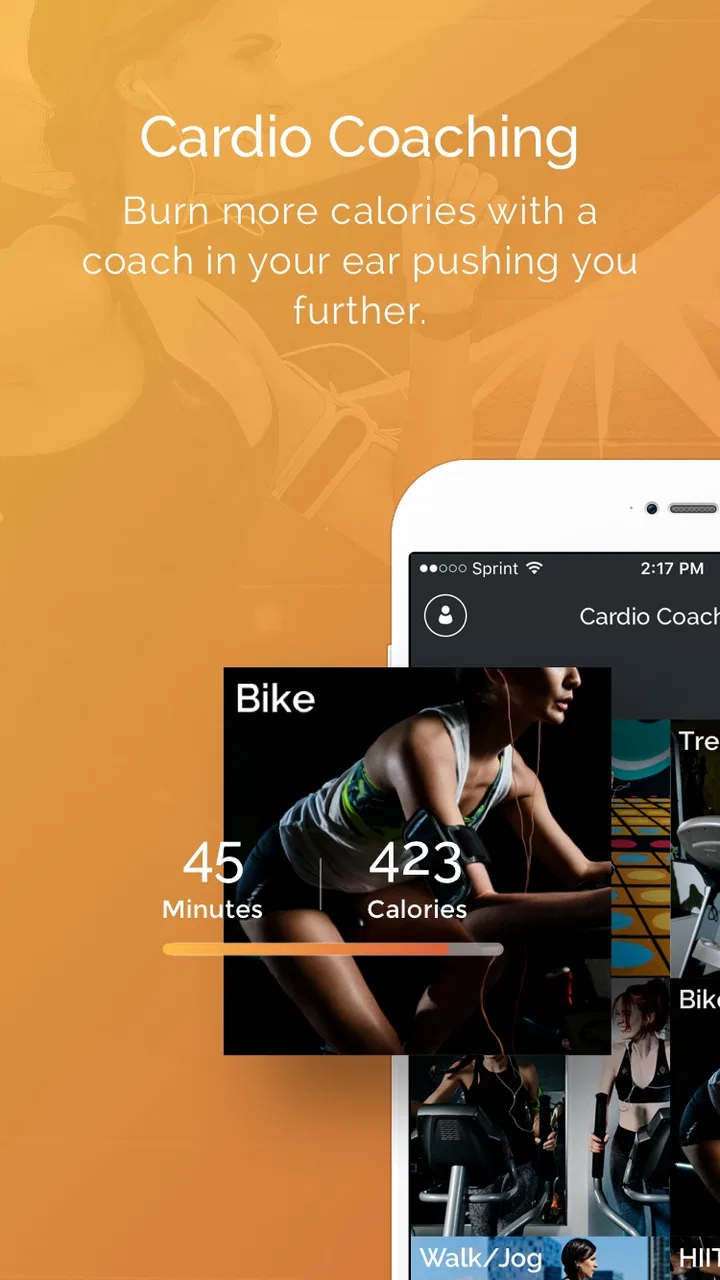
This is also where the app’s newer Cardio Coaching angle becomes important. It points the experience toward more than passive listening, especially for people who want musical energy connected to cardio work. I would approach it as a way to add structure and encouragement, not as a substitute for a personal training plan. The difference is practical: music can help me maintain momentum, but it cannot judge my form, adapt safely to an injury, or replace professional advice.
Why network quality changes the first few minutes
Because the central experience revolves around music delivered through the app, connectivity becomes part of the workout routine. A strong connection makes the beginning feel simple: open the app, choose a suitable direction, and get moving. A weak or inconsistent connection can turn those same opening minutes into waiting, retrying, or changing plans. That is not a minor inconvenience when the hardest part of a workout is often getting started.
I would therefore avoid launching a session for the first time in a location where the signal is unreliable. In a gym with crowded wireless service, a basement room, or a park with patchy mobile coverage, the app may be less dependable than a player containing music already stored on the phone. I am not treating offline playback as a confirmed capability here; the sensible approach is to plan around the possibility that the listening experience needs a working connection.
A helpful routine is to open Fit Radio before putting on gloves, climbing onto a bike, or beginning a timed circuit. That gives the app a chance to load while I am still stationary. It also lets me change direction before my heart rate rises. This small timing adjustment is one of the most practical ways to reduce frustration without pretending that connectivity problems do not exist.
Using it in realistic mobile situations
Fit Radio fits best into workouts where the phone is already nearby and the listener wants a continuous musical atmosphere. I can imagine using it during a living-room workout, on an indoor cardio machine, or for a walk that gradually becomes a faster session. In each case, the phone is not being used for complicated interaction; it is mainly the doorway to the soundtrack and coaching-oriented experience.
Outdoor use requires more thought. A runner may have a perfectly good signal at home and a weaker one after turning onto a different route. Someone exercising in a public gym may discover that the building’s network behaves differently from the connection used elsewhere. I would start the session early, keep the phone where it can maintain a stable connection, and avoid repeatedly switching between demanding apps while training.
There is also a battery trade-off. Listening through a connected app while the screen is active can be more demanding than playing a local file with the display off. I would begin a long session with a reasonable charge and keep screen interaction to a minimum. This is especially relevant for people who use the same phone to track distance, follow a workout video, or receive calls. Fit Radio can energize the session, but it shares the phone’s resources with everything else running on it.
What happens when the connection falters
The most important recovery skill is not to keep tapping the same control repeatedly. If music stops, I would first check whether the phone has moved into a weak-signal area, then pause other network-heavy activity and give the app a moment to recover. If that fails, restarting the listening session is more sensible than losing several minutes to increasingly impatient troubleshooting.
I would also keep a backup plan for workouts that cannot be interrupted. A locally available playlist, radio option, or simple timer can preserve the session if Fit Radio becomes unavailable. That does not make the app poor; it reflects the difference between a connected music service and music that is already on the device. For a casual walk, a brief interruption may not matter. For a timed interval workout, it can disrupt the entire rhythm.
Another useful habit is to test the app in the exact place where I expect to exercise. A quick check in the home gym, apartment, or usual outdoor starting point reveals more than testing it once on a fast household connection. If the app works there consistently, I can use it with greater confidence. If it does not, I know before the workout begins that a fallback is necessary.
Keeping mobile data use under control
People who train away from Wi-Fi should think about data consumption before making Fit Radio part of every daily session. The app’s music-centered design naturally involves network activity, and repeated listening can matter to someone with a limited mobile plan. I would avoid assuming that a short test proves what a month of daily workouts will cost in data. Usage can vary with session length, listening behavior, and the way the app delivers its content.
The safest workflow is to use Wi-Fi for exploration and setup whenever possible, then monitor the phone’s own data-usage tools during a normal workout period. That gives me a personal answer instead of relying on a generic estimate. If the total begins to feel high, I can reserve connected listening for selected sessions and use another prepared audio source at other times.
I would also disable unnecessary background activity for unrelated apps while exercising on mobile data. This will not change Fit Radio itself, but it reduces competition for the same connection and makes troubleshooting easier. When a session fails, I want to know whether the issue is the service, the signal, or several other apps quietly using the network. Keeping the workout phone setup simple improves both reliability and battery life.
Where it beats ordinary alternatives, and where it does not
Compared with a manually assembled playlist, Fit Radio offers a faster route to a workout-ready atmosphere. I do not need to predict every track or arrange the energy curve perfectly before exercising. That is valuable when I like variety or when a familiar playlist has stopped motivating me. The trade-off is control: a personal library is better when I want exact songs, a precise order, or dependable access without relying on a live connection.
Compared with a general music streaming service, this app has a narrower purpose. A broad service is usually stronger for albums, artists, podcasts, and relaxed listening across the whole day. Fit Radio makes more sense when the question is “What can keep this workout moving?” rather than “What do I want to listen to in general?” I would choose the broader service for a mixed commute and listening routine, but I would consider Fit Radio when training energy is the priority.
It also differs from a dedicated fitness app that builds a complete exercise program. Fit Radio can support motivation and cardio-oriented sessions, yet music is still the center of the experience. Someone looking for detailed strength programming, form instruction, progress tracking, or medical-grade guidance should look elsewhere or use another tool alongside it. The app is strongest as the audio layer of a workout, not as a complete coaching system for every type of training.
Who will get the most from it
I would recommend it to people who lose momentum while choosing music, enjoy changing genres, and want a workout-focused starting point. It is particularly suitable for users who already exercise with a phone and have a dependable connection in their usual training locations. The free entry point makes it easy to try without committing immediately, although the presence of in-app purchases ranging from $2.99 to $99.99 per item means I would review any purchase screen carefully before confirming anything.
The app is also a good match for someone who wants cardio sessions to feel more guided and energized without turning the experience into a complicated dashboard. A beginner can use it as a motivational layer, while a regular exerciser may appreciate having a different musical direction when the usual playlist becomes stale. The Teen content rating is worth noting for families deciding whether it suits a younger listener; I would still make the final choice based on the individual and the setting.
I would skip it, or at least avoid making it my only audio option, if my workouts take place mostly in signal dead zones, if I have a very restricted data allowance, or if I need exact control over every song. It is also not my first choice for someone wanting a full training curriculum. In those cases, a local music player, a general streaming service, or a specialized exercise app may solve the actual problem more directly.
A practical routine I would use
For a normal weekday session, I would open Fit Radio while connected to reliable Wi-Fi or before leaving a stable location. I would choose a style that matches the workout instead of selecting music randomly, then place the phone where it can maintain a good signal without distracting me. Once the session starts, I would avoid unnecessary screen changes and let the music do its job rather than constantly searching for a better option.
For an outdoor workout, I would test the route’s weak points on an easier day. If music regularly cuts out in one section, I would prepare a backup before attempting intervals there. For a longer session, I would check battery level and mobile-data limits first. These steps sound ordinary, but they address the real friction of a connected music app: the workout usually fails because of preparation, not because choosing energetic audio is difficult.
I would also give the app several different workouts before deciding whether it fits. A single session can be misleading if the selected genre does not match my pace or mood. Trying it during a short cardio routine, a longer steady session, and a day when motivation is low gives a fairer picture of its value. The right question is not whether every mix is perfect, but whether the app makes me more likely to complete the workouts I already intend to do.
My connectivity verdict
Fit Radio: Train Inspired is most convincing when I use it as a connected, workout-first music tool rather than as an all-purpose audio library. Its genre-focused energy and Cardio Coaching direction can remove the hesitation that comes before exercise, and its established audience suggests that the concept works for many listeners. I also like that the free app lowers the barrier to testing it, provided I stay alert to optional purchases.
Its main weakness is the same feature that makes it convenient: the experience depends on a functioning mobile connection and a phone ready to handle the session. That makes preparation important, especially outdoors, in crowded gyms, or under a limited data plan. I would keep a backup for serious training and choose a local player when uninterrupted playback matters more than discovery.
My final recommendation is straightforward. Try Fit Radio if you want fast access to workout-oriented audio and prefer musical momentum over painstaking playlist control. Use Wi-Fi and a stable starting point when possible, watch your data and battery during longer sessions, and do not confuse audio coaching with complete fitness instruction. With those expectations, it can become a useful part of a mobile workout routine; without them, a conventional offline music option may be the more dependable companion.
FAQs for Fit Radio: Train Inspired
01What is Fit Radio: Train Inspired, and who is it designed for?
Fit Radio: Train Inspired is a workout music and fitness app created for people who want energetic audio while exercising. It offers DJ-mixed playlists organized by workout style, mood, and intensity, making it useful for running, gym sessions, cycling, walking, and other activities. It can also appeal to users who simply want continuous, motivating music without having to build their own playlist.
02Does Fit Radio: Train Inspired offer guided workouts or only music?
The app primarily focuses on music mixes rather than acting as a complete personal-training program. Depending on the available content and subscription level, users may find workout-oriented mixes, coaching-style audio, or fitness-related programming, but the main experience is listening to continuous music selected for exercise. It should therefore be viewed mainly as a motivation and soundtrack tool, not a replacement for professional training advice.
03Is Fit Radio: Train Inspired free to use?
Fit Radio: Train Inspired may provide free access to some content, but many of its more useful features can require a premium subscription or in-app purchase. Paid access may include a larger music library, additional genres and workout mixes, offline listening, fewer restrictions, or an ad-free experience. Before downloading, it is worth checking the current pricing, trial terms, and renewal conditions shown in the Google Play Store or Apple App Store.
04Can I listen to Fit Radio: Train Inspired without an internet connection?
Offline listening depends on the plan and features currently offered by the app. Premium users may be able to download selected mixes before going to the gym, traveling, or exercising outdoors where mobile data is unreliable. It is best to download content while connected to Wi-Fi and confirm that the mixes remain available offline. Music licensing and subscription status can affect how long downloaded content can be played.
05Does Fit Radio: Train Inspired work with headphones, Bluetooth speakers, and fitness devices?
The app is generally suitable for standard headphones, wireless earbuds, car audio, and Bluetooth speakers, provided the device supports normal audio playback. Compatibility with smartwatches, heart-rate monitors, or other fitness equipment may vary by operating system and model, so users should not assume that every device will connect directly. Bluetooth performance can also depend on phone settings, battery level, and the quality of the accessory.
Pros
- High-energy playlists make workouts feel more motivating.
- Music is organized by workout type
- mood
- and intensity.
- Fresh mixes help prevent repetitive gym sessions.
- Useful for running
- strength training
- and cardio routines.
- Simple interface makes it easy to start listening quickly.
Cons
- Many features and playlists require a paid subscription.
- Some mixes may not match your preferred music style.
- Streaming can use considerable mobile data during workouts.
- Limited song control may frustrate users wanting specific tracks.
- Audio quality and playback depend on a stable internet connection.

Fit Radio: Train Inspired
Gallery